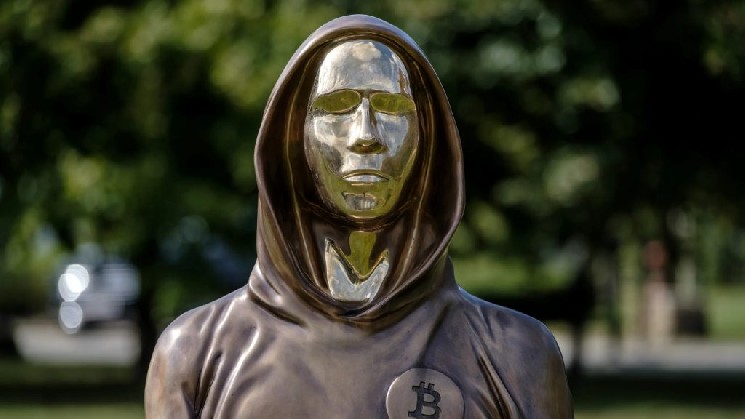
Are Satoshi Nakamoto’s Bitcoins in Danger? What Happens If the Passwords to His Wallets Are Cracked?
◆ NEUTRAL Newsherder May 03, 2026 · 12:28 UTC

Quantum Computing and Bitcoin: Assessing the Risks to Satoshi’s Coins and the Network

A recent analysis by Galaxy Digital’s Alex Thorn suggests that while quantum computing poses a theoretical threat to Bitcoin’s security, the immediate risk is overstated. The greatest vulnerability isn't Satoshi Nakamoto’s distributed coins (approximately 22,000 addresses holding 50 BTC each), but centralized exchanges and active wallets. Thorn highlights Bitcoin’s historical resilience to supply shocks and emphasizes the importance of ongoing research into post-quantum cryptography.

News

Powered by Gemini

News: Alex Thorn from Galaxy Digital assesses the threat of quantum computing to Bitcoin. While Satoshi Nakamoto’s coins, stored in older P2PK addresses, are a concern, they are distributed across 22,000 addresses, making a full compromise difficult. The real risk lies with centralized exchanges and active wallets, which hold large concentrations of Bitcoin. Bitcoin has historically shown resilience to supply shocks, and ongoing research into post-quantum cryptography is crucial. Thorn suggests a 50% price drop is possible if Satoshi’s coins were compromised, but the network’s security is paramount.

AI Analysis: The article presents a balanced view, downplaying immediate quantum threats while emphasizing the need for proactive research and development in post-quantum cryptography. The focus on centralized exchanges as primary targets is a key takeaway, highlighting the importance of their security measures.

Back to news
Share:

This content is automatically generated from public news sources. This is not financial advice.

Related News

Detailed analysis: latest crypto news

Read crypto news and understand market impact. Our trading analysis site helps you dive deeper into cryptocurrency updates, analyzing what is happening with bitcoin today using indicators and orderflow tools.